Deeper learning areas
Youth Animal Education
Young people can learn animal safety, dog and cat body language, respectful handling, grooming awareness, enrichment, responsible care, kindness, careful observation, and — most importantly — when to pause and ask a trusted adult for help.
Leadership Starts Young
Leadership includes listening, responsibility, kindness, communication, teamwork, follow-through, goal setting, meeting participation, public speaking, and learning how to help without taking over.
Junior Learning Ambassador™
Younger children may participate through a Junior Learning Ambassador™ pathway when appropriate. Participation may begin around age 6 or first grade with parent, guardian, or approved adult supervision.
Youth Ambassador™ Pathway
Older youth may build more advanced skills through education, service learning, public speaking, animal welfare education, meeting roles, project planning, peer support, and community learning.
Brain First Learning
Develop the brain, and behavior follows. Youth learn to see behavior as communication. They practice calm observation, emotional regulation, confidence building, kindness, and safe learning games.
Service Dog, Therapy Dog & Facility Dog Education
Youth may learn the differences between service dogs, therapy dogs, facility dogs, emotional support animals, and companion animals. This is educational only.
Public Speaking & Communication
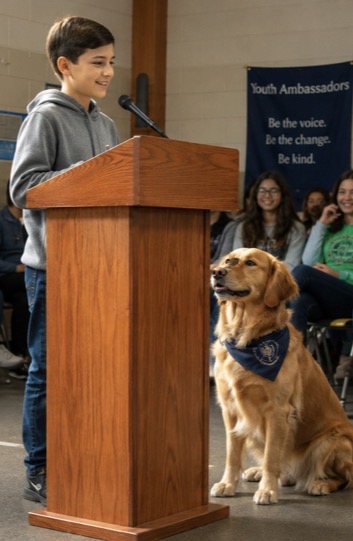
Youth Ambassadors may practice introductions, short talks, meeting updates, respectful questions, educational demonstrations, group discussion, and age-appropriate leadership communication.
Meeting Skills & Goal Setting
Youth may learn how to follow an agenda, take turns, set goals, report progress, ask for help, practice accountability, and understand basic meeting manners.
Service Learning & Community Help
Youth may support animal education, community kindness projects, therapy and service dog education events, rescue-support education, breeder education, family learning, and public awareness activities.
Career & Volunteer Readiness
Youth animal education can support future interests in training, veterinary care, animal behavior, grooming, breeder education, rescue work, public speaking, nonprofit leadership, teaching, animal care, and community service.